
The Mercedes‑Benz E‑Class EQ: A New Chapter in Mercedes’ Electric Strategy
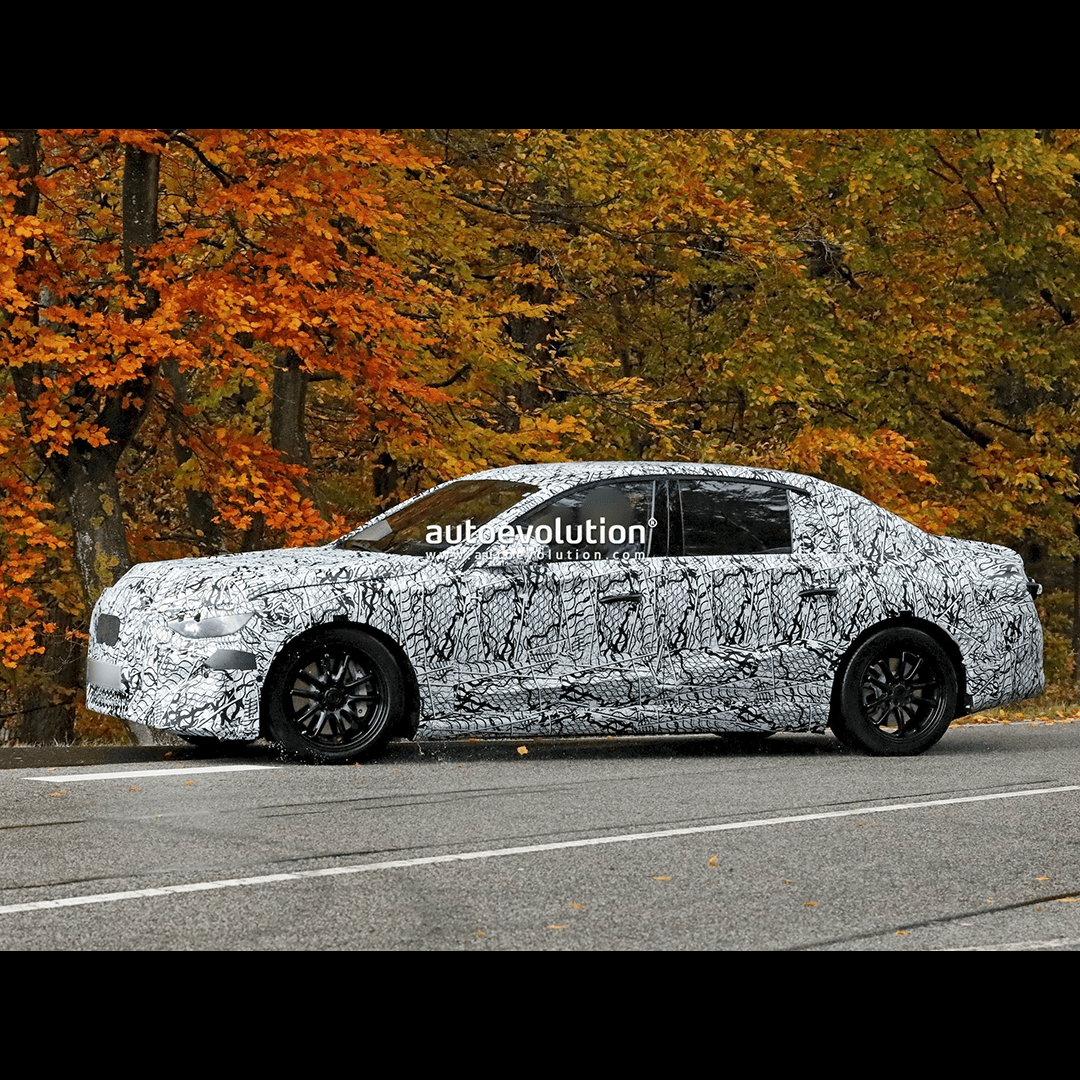
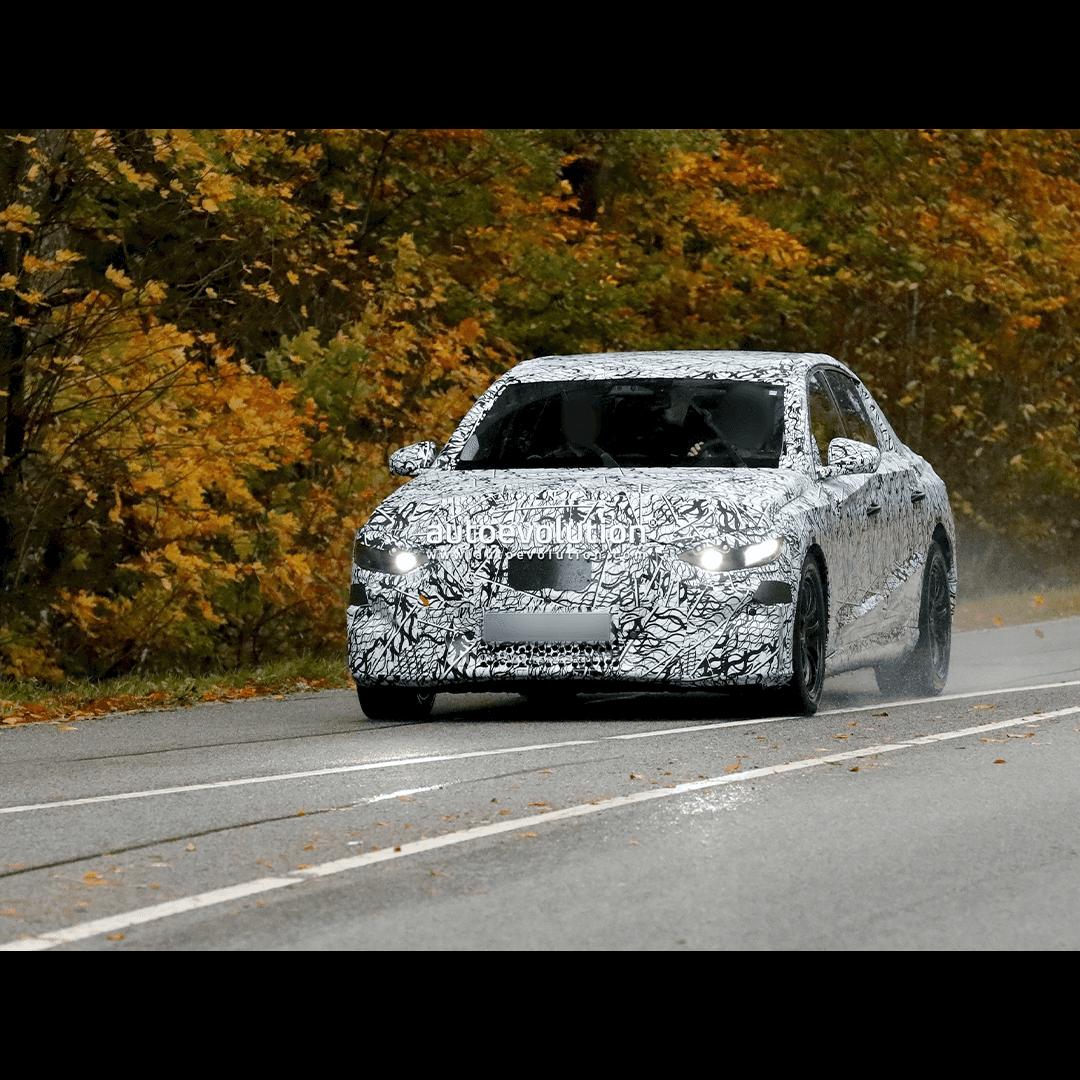
Luxury carmaker Mercedes‑Benz is making a decisive move in its electric vehicle (EV) line-up. With the unveiling of spy shots and fresh details of the upcoming E-Class EQ, Mercedes appears to be rewriting its EV strategy—moving away from the design approach that accompanied the earlier EQ models and refocusing on aesthetics and architecture aligned with its core sedan identity.
What We Know About the E-Class EQ
Architecture & Timing
The new E-Class EQ is expected to debut in the second half of 2027, ahead of initial expectations, thanks in part to Mercedes’ decision to use the already production-ready MB. EA-Medium platform (the same underlying structure used by other current EV models) rather than the originally planned MB.EA-Large.
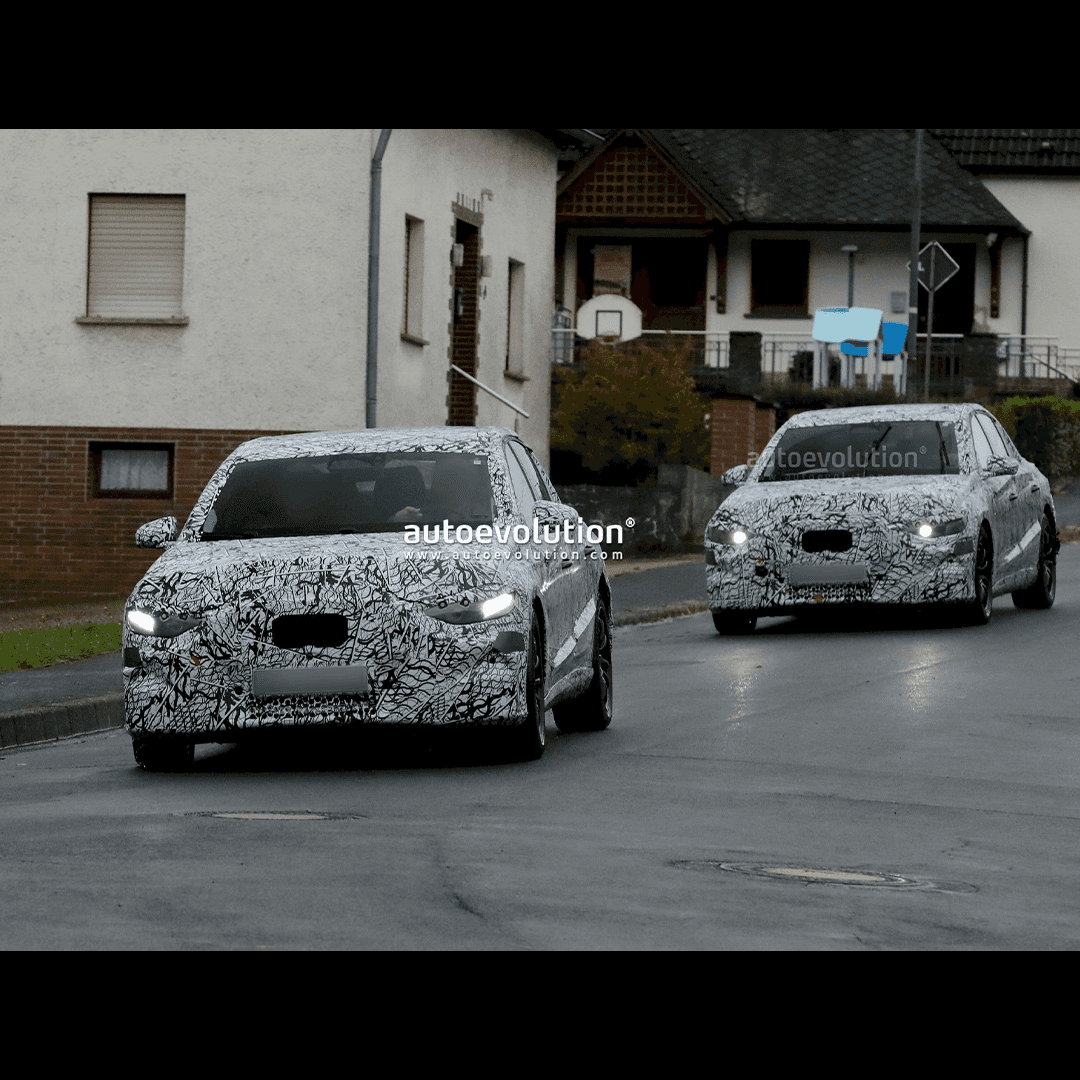
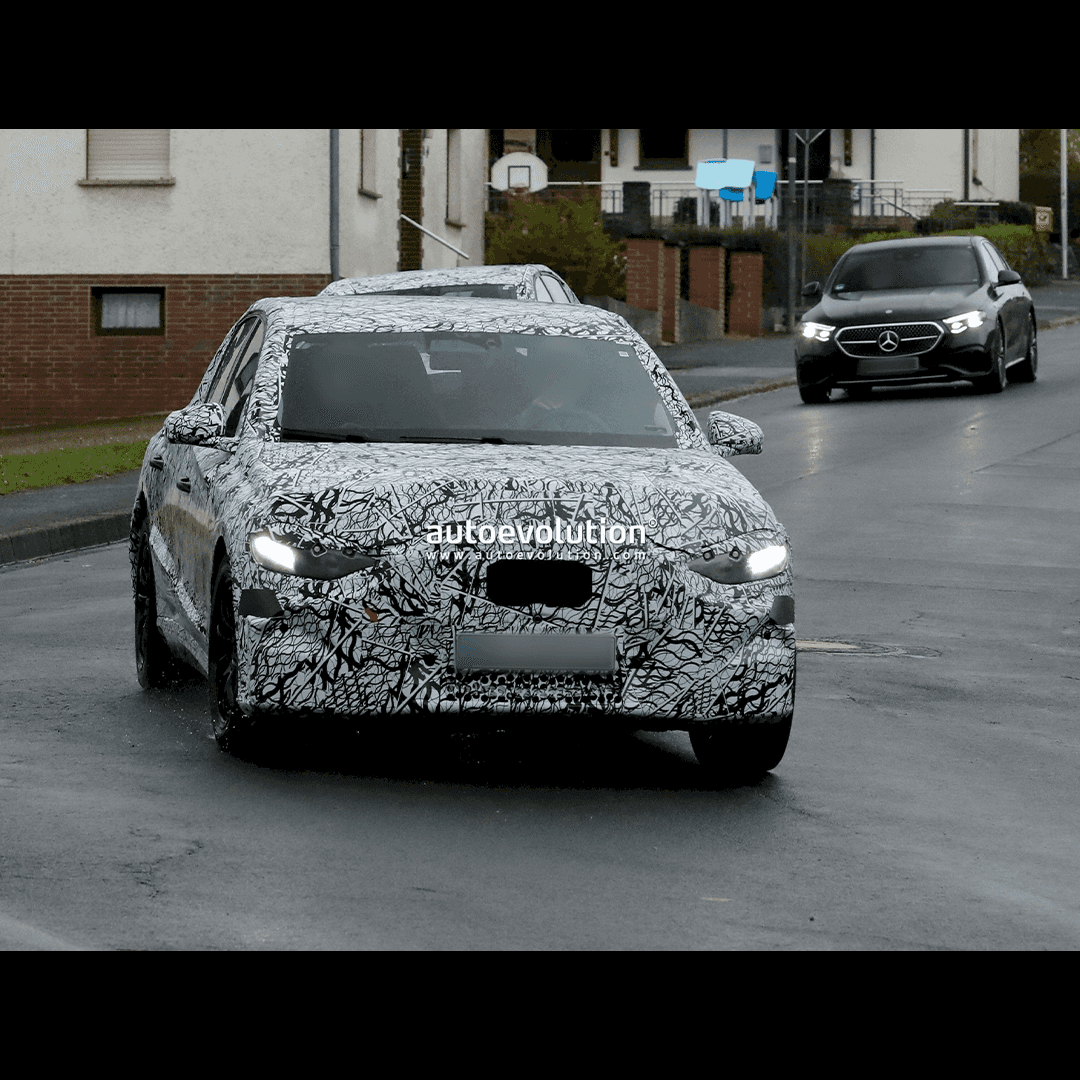
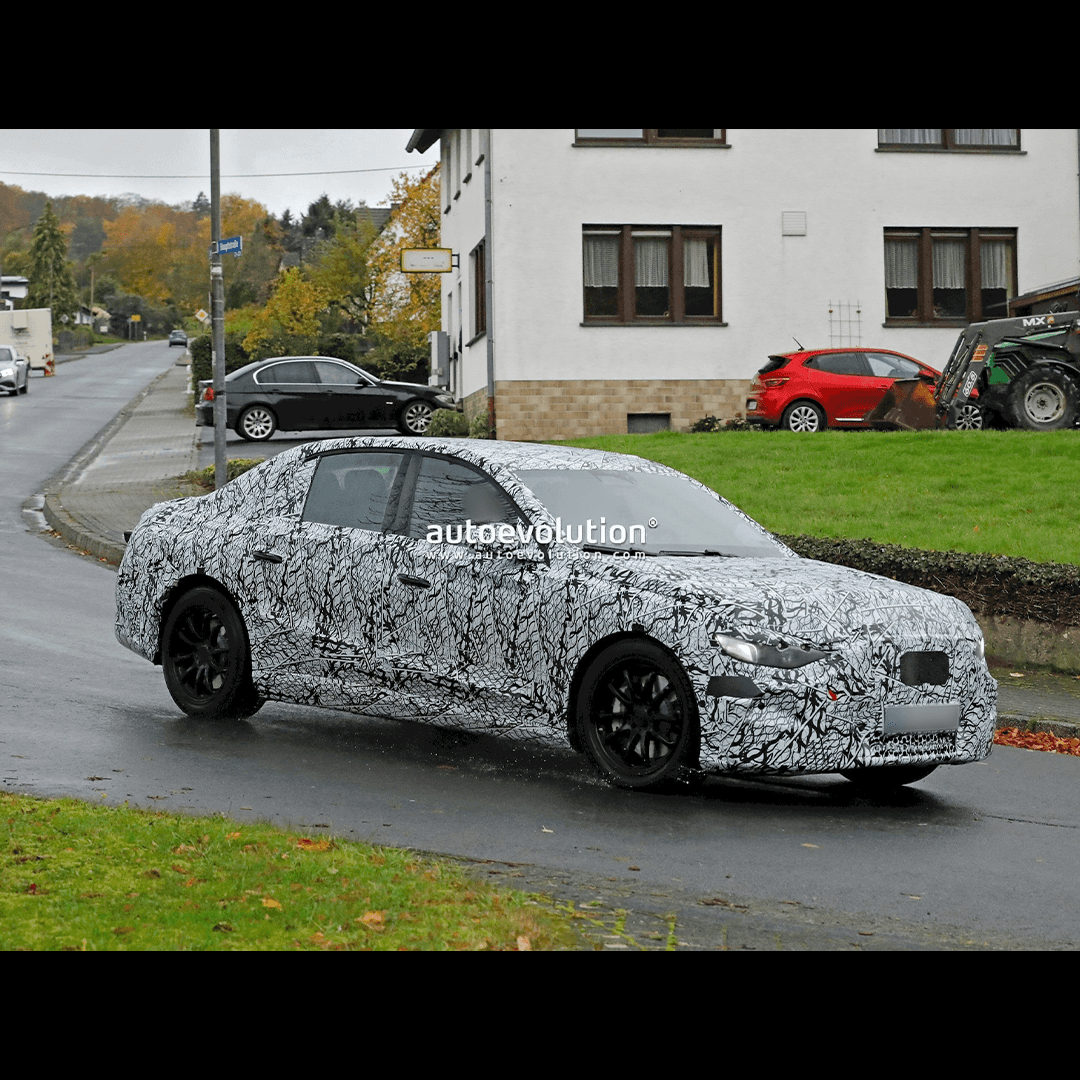
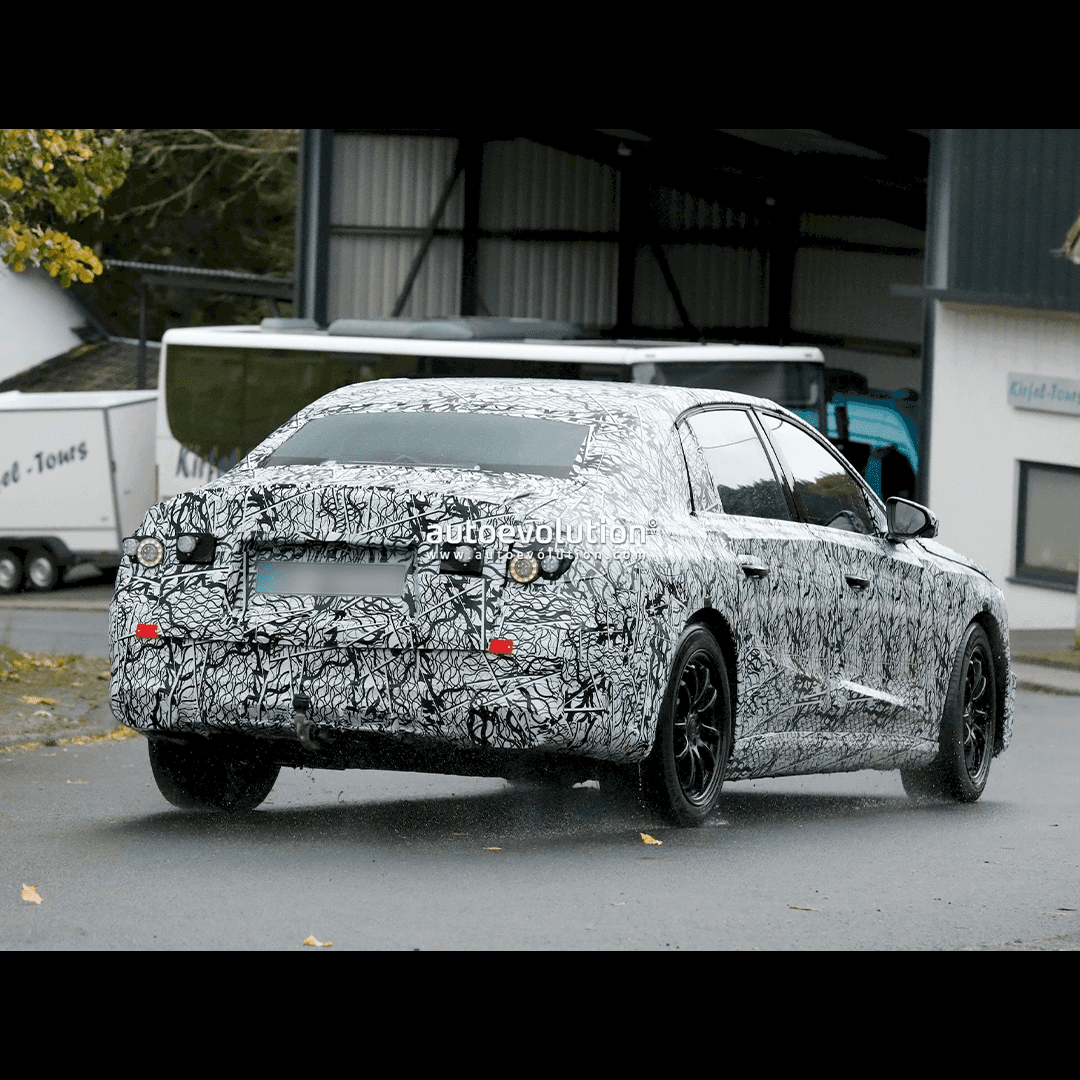
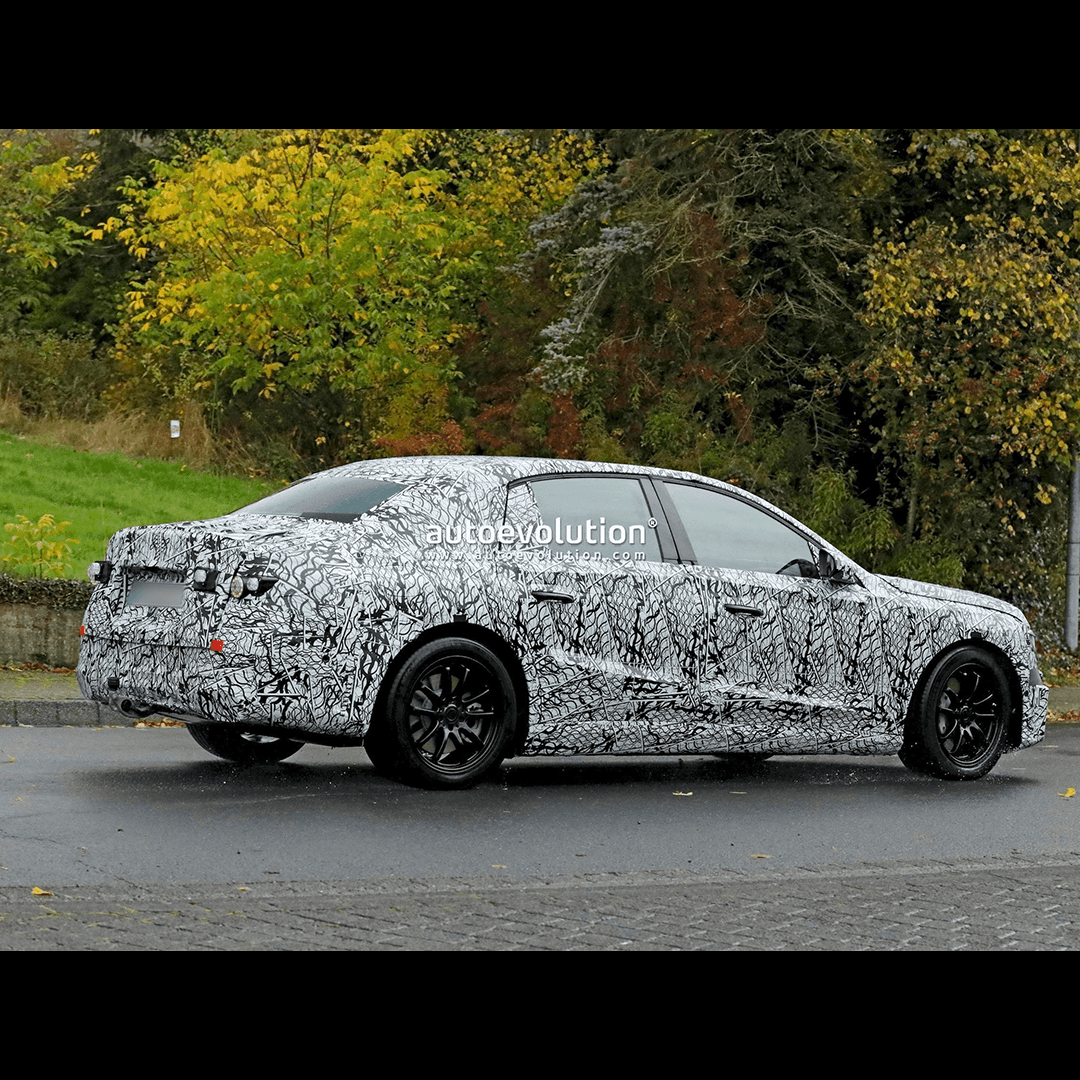
Unlike its EQE predecessor, the E-Class EQ won’t settle for purely bespoke styling. It will adopt design cues more aligned with Mercedes’ traditional sedan language: a longer hood, upright windshield, and a full three-box silhouette rather than the blob-like current EV shapes.
Performance & Drive
While full specifications remain under wraps, the vehicle is expected to deliver strong EV performance: the dual-motor configuration will be standard, and an AMG® version likely will use a tri-motor setup, leveraging in-house developed eATS2.0 drive units.
The shift to the MB. EA-Medium platform also signals improved packaging, potentially better ride dynamics and interior space compared to previous EVs.
Design & Market Positioning
By aligning the EV version of the E-Class more closely with its ICE counterpart in terms of design, Mercedes is aiming to reduce the “alien” factor the earlier EVs carried for traditional buyers. The E-Class EQ aims to look unmistakably like a Mercedes sedan—only electric. This strategy is in sharp contrast to the earlier dedicated EQ-only design philosophy.
Because the E-Class EQ is positioned as a successor to the EQE, its arrival effectively signals the end of further major investment in that model. Mercedes plans to shutter EQE sedan and SUV production by 2026.
Strategic Implications
- Brand coherence: The return to sedan-centric design means Mercedes is reconnecting with its legacy buyer base
-
Platform efficiency: Using the MB.EA-Medium architecture avoids the cost and delay of launching the larger MB.EA-Large platform
-
Market reset: The E-Class EQ is part of a broader refresh of Mercedes’ EV roadmap—moving away from a separate EQ sub-brand and instead integrating EVs into the mainline model names (C-Class, E-Class, S-Class).
-
Competitive positioning: With rivals like BMW and Audi increasingly offering EV variants that look similar to their ICE siblings, Mercedes’ move allows it to compete on more familiar visual and experiential territory.
Conclusion
The Mercedes-Benz E-Class EQ represents more than just a new electric sedan—it embodies the brand’s recalibrated EV strategy. With a return to traditional sedan proportions, integrated design, and a platform shared with other model lines, the E-Class EQ is well-positioned to bridge the gap between luxury ICE sedan buyers and EV adoption.
As Mercedes prepares for its 2027 launch, the E-Class EQ may well become a benchmark in how legacy luxury brands transition to electric while preserving brand identity.
Source: https://tinyurl.com/mr59h6h6
0 comment(s) so far on The Mercedes‑Benz E‑Class EQ: A New Chapter in Mercedes’ Electric Strategy